
June 15, 2026
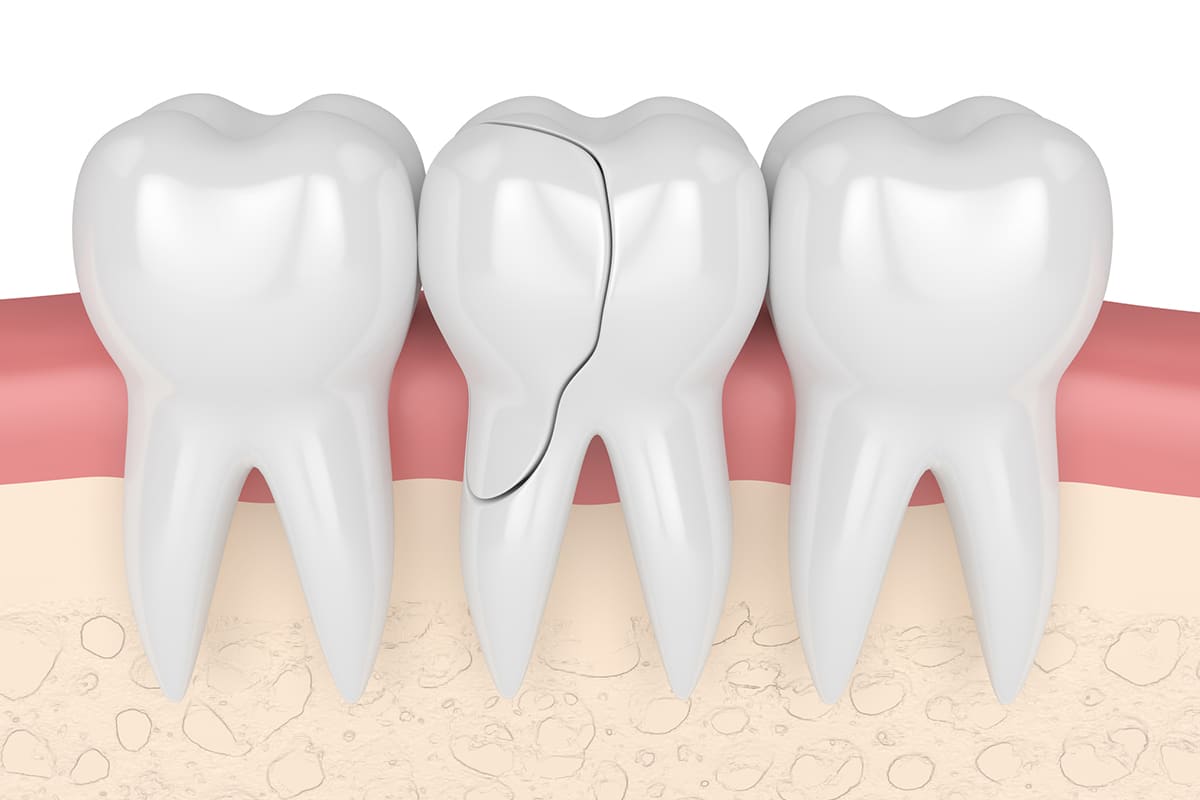
A cracked denture can make a normal day stressful fast. Eating becomes harder, speaking may feel awkward, and concern about worsening the damage can make you hesitate to use your denture at all. We understand how frustrating that feels, especially when you rely on your denture every day.
In many cases, a trained dental professional can repair certain denture problems. In other cases, replacement offers the safer and more comfortable option. We will explain the types of damage that may be repairable, the signs that indicate replacement, and why we recommend a prompt professional assessment before you keep wearing a damaged denture or try to fix it.
Types of Denture Damage That May Be Repairable
Several common denture problems may qualify for professional repair, depending on the location and extent of the damage. A small crack in the pink acrylic base, a clean break in a denture, or a chipped denture tooth may not require full replacement. A dental professional can evaluate the fracture pattern, the condition of the material, and the fit of the denture before recommending the next step.
Common repairable issues may include:
- Small cracks in the acrylic base
- Clean breaks in the denture
- Chipped denture teeth
- Loose denture teeth when the base remains stable
- Minor acrylic fractures or broken areas
We also see cases where a tooth comes loose from the denture base. A professional may reattach or replace the denture tooth if the base remains stable and the surrounding material can support the repair. Minor acrylic fractures, small chips, and certain broken areas often require a lab-style repair instead of an at-home fix because the repaired area must withstand chewing pressure and daily wear.
Here is the key point: repair works best when the denture still fits properly and contains enough strong material to support the fix. Damage that looks minor on the surface may connect to a deeper weakness, so we never recommend guessing. For patients seeking professional denture repair, an evaluation helps determine whether the denture can be returned to safe use or requires another solution.
Signs Replacement May Be the Better Choice
Replacement may make more sense when a denture has severe damage, repeated breaks, worn-down teeth, or a poor fit. Dentures change over time because the mouth does as well. Bone and gum tissue can shift after tooth loss, and those changes can affect how the denture sits, even when the denture material still looks mostly intact.
Signs that may point to replacement include:
- Severe damage to the denture base
- Repeated breaks in the same area
- Worn-down denture teeth
- A poor or unstable fit
- Changes that affect chewing, speech, or comfort
A denture that breaks in the same place more than once may signal a fit issue or a weak area in the base. A loose denture can create uneven pressure during chewing, which can place extra stress on the acrylic. Replacement may also serve patients better when the teeth look heavily worn, the bite feels uneven, or the denture no longer supports normal speech and chewing.
We also consider comfort and tissue health. A denture that rubs, pinches, rocks, or causes sore spots needs attention. A repair may solve the problem if a specific broken area caused the issue. Replacement may be the better option if the denture no longer matches the shape of the mouth or if the material has aged beyond repair.
If you remember one thing, remember this: the best choice depends on both the damage and the fit. A denture can look repairable, but it still needs replacement if it no longer functions well. A denture can also look alarming after a clean break, but still qualify for repair when the fit and material condition support it.
Why Prompt Professional Assessment Matters
A prompt assessment helps reduce the risk of further damage and discomfort. When a denture cracks or breaks, the damaged edges can irritate the gums, cheeks, or tongue. Continued use can also widen a crack, further loosen a tooth, or place additional stress on other parts of the denture.
We recommend that you avoid do-it-yourself glue, household adhesives, and hardware-store repair products. Many adhesives can create an uneven fit, damage the denture material, or make professional repair more difficult. Some products may also irritate oral tissues because manufacturers did not make them for use in the mouth.
A professional assessment gives you a clearer answer. The dental professional can inspect the denture, check its fit, and look for signs of pressure, wear, or distortion. That process matters because a repair should restore function without creating new fit problems.
Prompt care also helps you avoid unnecessary strain while eating or speaking. When a denture feels unstable, many people start chewing on one side or changing how they move their jaw. Those changes can affect comfort and may create new pressure points. Early evaluation helps you make a practical choice before a small issue becomes harder to manage.
A Practical Path Forward for a Damaged Denture
A cracked or broken denture does not always mean you need a new one, but it does mean you need a professional opinion. Small cracks, clean breaks, and loose denture teeth may qualify for repair when the denture still fits well and has enough stable material. Severe damage, repeated fractures, worn teeth, or a poor fit may indicate the need for replacement. The safest next step is to stop relying on guesswork, avoid at-home fixes, and have a professional evaluate your denture to protect your comfort, function, and oral health.
Frequently Asked Questions About Denture Repair
Can a cracked denture usually be repaired?
A dental professional may repair a cracked denture if the crack has not weakened the denture beyond reliable use. The location, depth, and cause of the crack all matter. A professional must also check the fit because a poor fit can cause the denture to crack again.
Should I keep wearing a broken denture?
We do not recommend wearing a broken denture without professional guidance. Broken edges can irritate soft tissues, and chewing with a damaged denture can worsen the break. If you remove it, store it safely, and call for an assessment as soon as possible.
Can I use super glue to fix my denture at home?
We recommend that you avoid super glue and other household adhesives. Manufacturers do not make those products for oral use, and they can affect fit, irritate tissues, or complicate professional repair. A denture repair material must support oral function and contact with the mouth.
How do I know if I need repair or replacement?
A professional exam provides the most reliable answer. Repair may work when the damage remains limited, and the denture still fits properly. Replacement may make more sense when the denture has repeated breaks, major wear, a poor fit, or damage that affects chewing and comfort.
What should I do right after my denture breaks?
Remove the denture if it causes pain, has sharp edges, or is unstable. Keep all pieces, including any loose teeth, in a safe container. Contact a denture professional for an assessment, and avoid trimming, sanding, or gluing the denture yourself.
At Moonglow Denture Specialists, we help patients understand their denture options with clear guidance and practical care. We serve people who need support with denture comfort, function, repairs, and replacement decisions. If you have questions about a damaged denture, get in touch with us.