
April 6, 2026
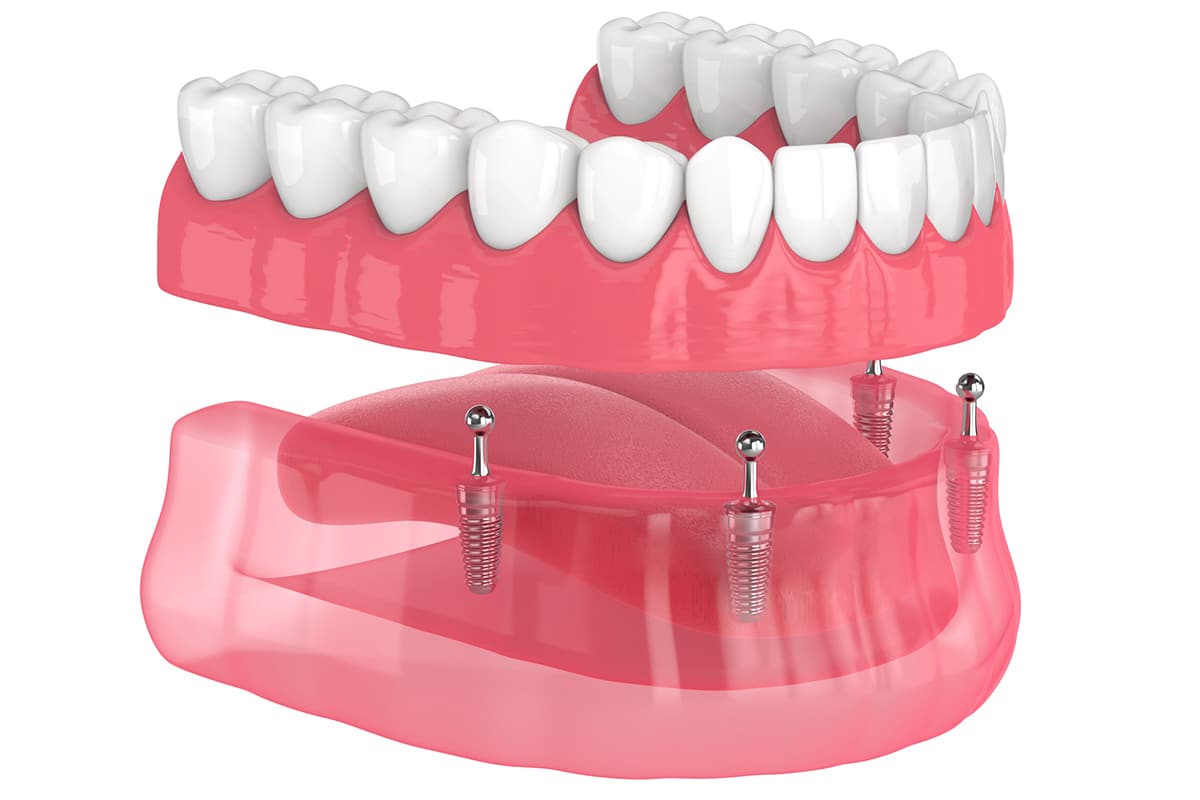
When we lose our natural teeth, we often focus right away on restoring our visible smile and regaining the ability to eat our favorite foods. However, we also need to think about the hidden foundation beneath our gums: the jawbone. Natural tooth roots constantly stimulate the surrounding bone every time we bite or chew, sending vital signals that keep the jawbone strong and healthy. When roots disappear, the bone loses that important stimulation and starts to deteriorate. We guide our patients to make informed decisions about their long-term oral health by showing exactly how each replacement option interacts with their facial anatomy. By comparing the structural impacts of different denture types, we clearly show why some treatments provide much better protection for your foundational bone structure than others.
The Physiology of Jawbone Resorption
Understanding Bone Remodeling
Your body works as an incredibly efficient machine, constantly redirecting resources where you need them most. When you lose natural teeth, the alveolar bone—the part of the jawbone that holds tooth roots in place—stops receiving the mechanical pressure from chewing. Without this daily physical stress, your body decides the bone no longer serves a purpose and removes it, sending those minerals to other parts of the body. You begin to notice your jawbone shrinking quickly during the first year of tooth loss, and the deterioration continues gradually throughout your life.
Long-Term Effects on Facial Structure
Progressive bone loss changes far more than the shape of your gums. As your jawbone shrinks, the lower third of your face loses structural support. Many patients notice a sunken facial appearance, premature wrinkles around the mouth, and thinning lips. The chin moves closer to the nose, creating an aged look that changes the entire profile. We emphasize the importance of preserving the jawbone not just for oral function but also for supporting the facial muscles and maintaining a youthful, natural appearance.
How Traditional Dentures Interact with the Jaw
The Mechanics of Gum-Resting Appliances
Traditional dentures rest directly on the gum tissue and use suction, gravity, or dental adhesives to stay in place. These appliances replace the visible crowns of missing teeth and restore basic chewing abilities, but they never replace the missing tooth roots. Because traditional dentures sit only on the surface of the gums, they cannot deliver internal stimulation to the underlying bone.
Compounding the Bone Loss Problem
Traditional dentures can actually accelerate bone loss rather than prevent it. When you chew, the hard acrylic base of a traditional denture presses against the soft gum tissue and bone ridge. This unnatural pressure wears down the bone ridge over time. As your jawbone shrinks and flattens, the traditional denture loses its original fit, becomes loose, and starts to slip. We often help patients who need frequent denture realignments and replacements because their jawbone has changed shape significantly due to the ongoing surface friction of traditional appliances.
The Protective Power of Implant Solutions
Mimicking Natural Tooth Roots
Dental implants completely transform our approach to tooth replacement. We place titanium implant posts directly into the jawbone, where living bone tissue fuses securely to the titanium in a process called osseointegration. The bone locks the posts firmly in place, and these posts work just like artificial tooth roots. When you choose implant-supported dentures, your bite force travels directly through the denture, down into the titanium posts, and straight into your jawbone.
Halting the Deterioration Process
When you chew, the force travels directly through the denture, into the titanium posts, and straight to your jawbone. This direct stimulation maintains bone density by keeping the jawbone active and healthy. Because implants absorb the full force of your bite, the denture does not press down on your soft gum tissue. We highly recommend this advanced approach because it preserves your natural facial structure, prevents the "sunken face" look, and provides a secure fit that will not slip or shift while you speak or eat.
Securing Your Long-Term Oral Health
You strengthen your foundational jawbone by choosing an active approach to tooth replacement. Traditional appliances let you restore the appearance of your smile, but they do not address the biological needs of your facial structure. When you add titanium root replacements to your treatment plan, you tell your body to maintain its bone volume and strength. We urge our patients to treat dental choices not just as a cosmetic fix, but as a smart investment in lifelong health and comfort. Choosing a secure, root-like solution lets you enjoy a strong bite, a confident facial profile, and a vibrant smile for years.
Frequently Asked Questions About Implant-Supported Dentures
Do implant-supported dentures feel different from traditional dentures?
Yes, you will notice a major difference because implant-supported dentures feel much more natural than traditional dentures. The titanium implants anchor the appliance securely to your jawbone, so your denture will not slip, click, or move out of place. You also gain a much stronger bite force and can enjoy chewy or crunchy foods that traditional denture wearers often have to avoid.
Will I need a bone graft before getting implant-supported dentures?
You may need a bone graft if you have lost a significant amount of jawbone due to missing teeth over time. We carefully check your jawbone to confirm it has sufficient density and volume to support the titanium posts safely. Our team uses advanced imaging to assess your bone health and plan any necessary preparatory steps for a successful, long-lasting implant placement.
At Moonglow Denture Specialists, we take pride in helping our community achieve functional, beautiful smiles through advanced restorative care. We provide custom-crafted solutions that protect your oral health and restore your confidence. To explore your options and learn how we can help you regain a strong, permanent smile, get in touch with us today.