
May 13, 2026
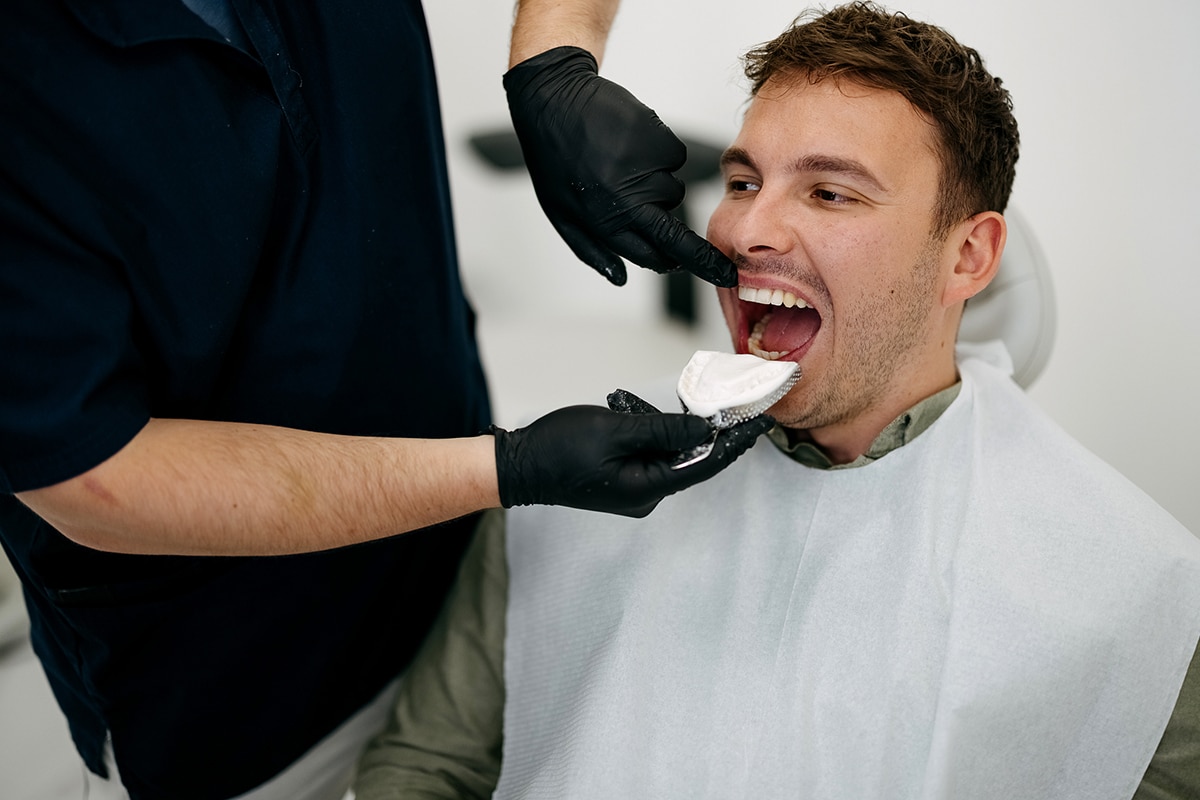
Losing a tooth affects more than just your smile. Missing teeth can change how you speak, how you chew food, and can even shift your remaining natural teeth out of alignment. Fortunately, modern dentistry gives us excellent restorative options to restore your confidence and oral function. When we meet with patients looking to replace missing teeth, we often discuss two primary solutions: removable plates and fixed artificial teeth.
You need a clear understanding of your unique needs to choose the right dental restoration. We want you to make an informed decision about your oral health. To guide you, we break down the differences between these two popular treatments, evaluate their benefits, and outline what you can expect from each option.
Understanding Removable Dental Solutions
Many patients choose a removable appliance when they need to replace several missing teeth. We often recommend partial dentures for individuals who want to replace multiple teeth on the upper or lower jaw. These devices have replacement teeth attached to a pink or gum-colored plastic base. A metal framework connects the base to your natural teeth and keeps the appliance secure in your mouth.
How Removable Appliances Work
You rest these appliances on your gums and secure them to adjacent natural teeth using metal or precision clasps. Precision attachments create a more seamless look than metal clasps, but they usually cost a bit more. You remove these devices daily for cleaning and before going to sleep. Because you can remove the appliance, you can maintain excellent hygiene of your remaining natural teeth and gums.
Pros and Cons of Removable Options
Removable appliances give you a highly cost-effective way to restore your smile, especially when you need to replace multiple teeth. You usually need fewer appointments and avoid invasive procedures during the process. If you lose another natural tooth in the future, we can add more teeth to your appliance. However, some patients notice the metal clasps when they speak or laugh. You may also need some time to get used to these devices, and you might experience minor soreness in your gums during the initial adjustment period.
Exploring Fixed Dental Bridges
Fixed bridges give you a completely different way to replace missing teeth. A bridge closes the gap left by one or more missing teeth. This restoration uses healthy natural teeth on either side of the gap, called abutment teeth, to support the artificial tooth. Your dentist cements the bridge permanently in your mouth, so you cannot remove it yourself.
The Mechanics of Fixed Restorations
To place a bridge, your dentist reshapes the abutment teeth by removing a portion of their enamel. This adjustment creates space for the dental crowns that fit over them. The artificial teeth, called pontics, sit between these crowns and fill the space. Because your dentist cements the bridges permanently onto the supporting teeth, you will experience a restoration that feels very much like your natural teeth. You can brush and floss them in your mouth without removing anything at night.
Benefits and Drawbacks of Bridges
Bridges offer exceptional stability and a highly natural appearance. You rarely deal with the slipping or clicking that sometimes comes with removable appliances. Bridges also keep your remaining teeth from drifting out of position. However, you should consider the disadvantages. The main drawback is that you must permanently alter healthy adjacent teeth. If those supporting teeth ever develop decay or fail, you lose the entire bridge. Bridges usually cost more than removable options, especially if you need to replace multiple teeth.
Making the Right Choice for Your Smile
We understand that choosing between these treatments can overwhelm you. The right choice depends on your mouth’s specific condition, your budget, and your personal preferences. We always conduct a thorough examination and then recommend a path forward tailored to your needs.
Evaluating Your Oral Health
The health of your remaining natural teeth plays a major role in our recommendation. Bridges need strong, healthy teeth on both sides of the gap to support the crowns. If your adjacent teeth have large fillings, gum disease, or structural weakness, a bridge will likely fail sooner. Removable options rely less on the strength of neighboring teeth, making them a safer choice when the surrounding teeth cannot support a permanent fixture.
Cost and Longevity Factors
Your budget often guides your final decision. Removable options usually cost less upfront, so more patients can afford them. You may need to replace or reline them every five to seven years as your jawbone changes shape. Bridges require a larger initial investment, but with excellent oral hygiene, they often last ten to fifteen years. We encourage you to compare the upfront costs and the expected lifespan of each restoration when choosing your treatment.
Your Path to a Complete Smile
Restoring your smile is a deeply personal journey. You may choose the affordability and adaptability of a removable appliance, or the permanent stability of a fixed bridge. Modern dentistry offers excellent solutions for restoring dental function. We believe every patient deserves a comfortable, confident smile that lets them eat, speak, and laugh freely. When we discuss your goals, examine your dental health, and review your financial options, we create a customized treatment plan that fits your life perfectly.
Frequently Asked Questions About Partial Dentures
How long does it take to adjust to wearing them?
Most patients become completely comfortable within a few weeks. You might notice more saliva or minor changes in your speech during the first few days. We suggest reading aloud and eating soft foods at first to help your mouth adjust. Your cheek and tongue muscles quickly learn to keep the appliance in place.
Can I sleep with my appliance in my mouth?
Do not sleep with your appliance in your mouth. Remove it at night to give your gums time to rest and recover from the daily pressure. Taking it out also helps your saliva naturally cleanse your mouth. Store the appliance in water or a special soaking solution overnight to prevent the acrylic from drying out or warping.
How do I clean my removable teeth properly?
Clean your appliance every day to remove food particles and prevent plaque buildup. Use a soft-bristled brush and a non-abrasive cleaner made for dental appliances. Avoid regular toothpaste, as it can scratch the acrylic surface and create tiny spots where odor-causing bacteria can hide. Always brush your appliance over a folded towel or a sink filled with water so you protect it from damage if you drop it.
Will I be able to eat normally again?
Yes, you will regain most of your chewing ability. Start with softer foods cut into small pieces. Remember to chew evenly on both sides of your mouth to keep the appliance from tipping or shifting. Avoid sticky foods and very hard items, such as ice or hard candies, since they can damage the teeth or the metal framework.
How long will my appliance last?
With proper care, a well-made appliance lasts five to ten years. Over time, your jawbone and gums shrink and change shape, which can affect the fit. We adjust, reline, or completely remake your appliance as needed to keep it fitting securely and comfortably, protecting your remaining natural teeth.
We specialize in high-quality restorative care for patients who want to rebuild their smiles. We proudly serve our local community by providing custom-crafted dental solutions tailored to your unique lifestyle. If you want to discuss your options with our experts, please get in touch with us today.