
August 28, 2026
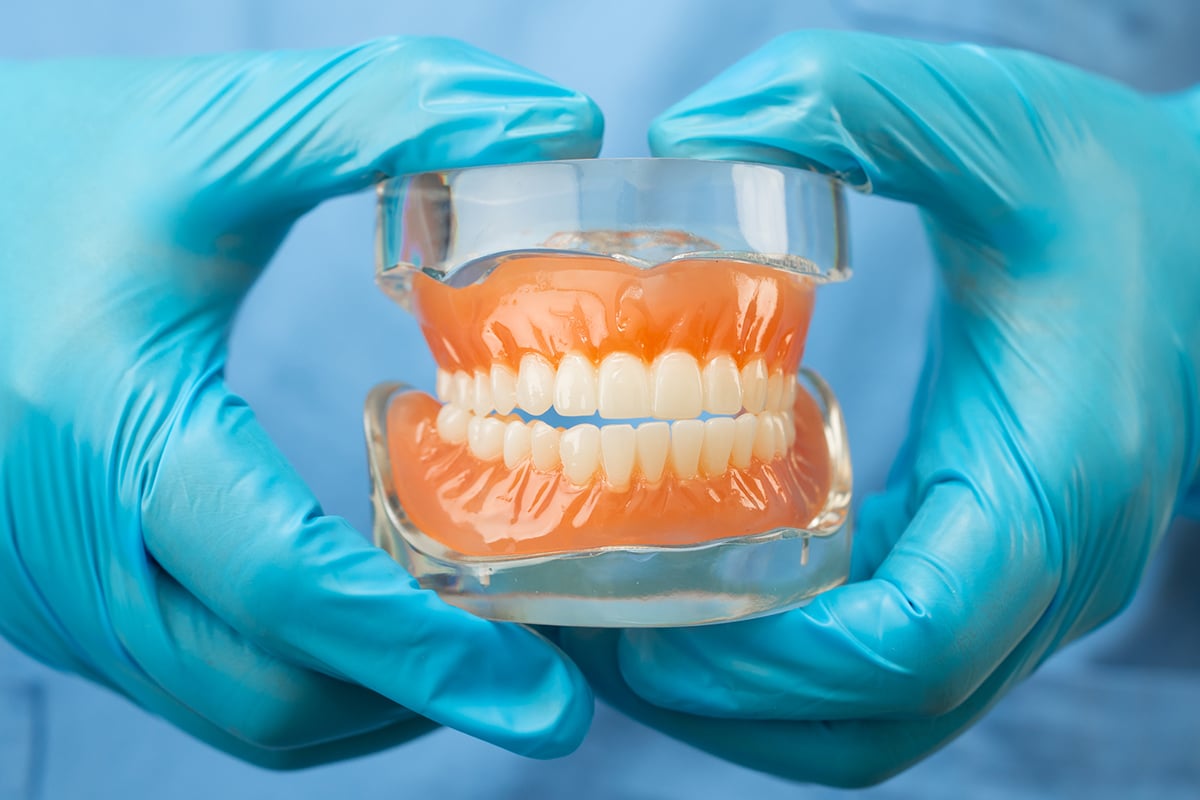
Quick Answer: Good candidates for complete dentures are adults who have lost all or most of their teeth due to decay, gum disease, or injury and have sufficient jawbone and gum tissue to support a denture. A consultation with a prosthodontist is the most reliable way to confirm candidacy and determine which type of denture fits your needs.
Missing teeth affect far more than your appearance. They change how you chew, how you speak, and how your facial structure holds up over time. When most or all of your natural teeth are gone, complete dentures offer a dependable, time-tested way to recover both function and confidence.
But complete dentures are not the right solution for everyone. Knowing whether you qualify — and what factors shape that decision — helps you walk into your first consultation with realistic expectations and the right questions ready.
Significant Tooth Loss and Who Complete Dentures Can Help
Complete dentures replace all of the teeth in either the upper arch, the lower arch, or both. Candidates are adults who have lost all or nearly all of their natural teeth and have no remaining teeth strong enough to support a partial denture or other fixed restoration.
Tooth loss at this scale typically results from one of three causes: advanced gum disease (periodontitis), severe and widespread tooth decay, or traumatic injury to the mouth. In some cases, teeth are still present but are so damaged or unstable that extraction is the only clinically appropriate path forward. After extraction, complete dentures become the primary restorative option.
Oral Health Conditions That Affect Complete Denture Candidacy
Oral health is the most important factor a prosthodontist evaluates before recommending complete dentures. Two conditions matter most: the condition of the gum tissue and the density of the underlying jawbone.
Strong, healthy gum tissue provides the foundation a denture rests on. Patients whose gums have healed adequately following extractions tend to achieve a better fit and more comfortable wear. Bone density matters for the same reason — sufficient bone volume supports the denture's shape and stability. When bone loss is significant, implant-retained dentures may provide a more secure hold. We evaluate both tissue and bone during your initial consultation to determine which type of complete denture suits your anatomy.
The Role of Systemic Health Conditions in Complete Denture Candidacy
General health plays a role in candidacy, though it rarely disqualifies a patient outright. Certain conditions — including uncontrolled diabetes, autoimmune disorders, or medications that cause chronic dry mouth — can affect how well gum tissue heals and how comfortably a denture fits over time.
Dry mouth, for example, reduces the natural suction that helps conventional dentures stay in place. Patients managing this condition often find that implant-retained dentures offer more reliable stability. A thorough health history review at your appointment helps us identify any factors that might influence your denture design or the timeline for treatment.
Finding the Right Denture Solution for Your Needs
Not every patient is the same. The right complete denture depends on your tooth loss history, your bone structure, your health, and your goals. Here is how to approach finding the right fit:
- Schedule a consultation. A prosthodontist examines your gums, evaluates your bone structure using digital imaging, and reviews your health history. No online checklist replaces this step.
- Discuss your options. Conventional complete dentures, immediate dentures, and implant-retained dentures each serve different needs. Understanding the differences helps you make an informed decision.
- Consider your timeline. Conventional dentures require a healing period after extraction before placement. Immediate dentures can be placed on the same day as extractions, so you never go without teeth during recovery.
- Plan for adjustments. Denture fit changes as your gum tissue settles. Follow-up appointments for relines and adjustments are a normal and expected part of the process.
The goal is a denture that fits well, looks natural, and supports your oral health for the long term. At Moonglow Denture Specialists, we fabricate all dentures in our own on-site lab — which means tighter quality control, more precise results, and faster turnaround than you typically get when a practice sends its work out.
Your Next Step Toward a Restored Smile
Complete dentures restore more than teeth. They restore the ability to eat comfortably, speak clearly, and maintain the facial structure that missing teeth gradually erode. Most adults who have lost all or nearly all of their natural teeth qualify for some form of complete denture — the variables are which type and what timeline fits best.
The only way to know for certain is a professional evaluation. Get in touch with us at Moonglow Denture Specialists to schedule your consultation and start moving toward a fully restored smile.
Frequently Asked Questions About Complete Dentures
What makes someone a good candidate for complete dentures?
A good candidate has lost all or most of their natural teeth and has adequate gum tissue and jawbone to support a denture. Adults with advanced gum disease, widespread tooth decay, or significant dental trauma are the most common candidates. A prosthodontist evaluates gum health and bone density before recommending a specific type.
Can you get complete dentures if you still have some remaining teeth?
Not for a full arch. Complete dentures replace an entire arch of missing teeth and require that no natural teeth remain in that arch. If some stable teeth remain, partial dentures or other restorations may be more appropriate. During your consultation, we assess whether remaining teeth can be preserved or whether extraction and complete dentures represent the better long-term solution.
How does bone loss affect complete denture candidacy?
Significant bone loss can make conventional dentures less stable over time, since the denture rests on a reduced foundation. Patients with notable bone loss often benefit from implant-retained complete dentures, which use two to four dental implants placed in the jaw to provide a more secure hold. Bone density is assessed through digital imaging at your initial evaluation.
At what age are complete dentures typically needed?
Complete dentures can be placed at any age, though significant tooth loss most commonly occurs in adults aged 40 and older. Age itself does not determine candidacy. The condition of your remaining oral structures and overall health are the deciding factors.
How long does it take to get complete dentures at Moonglow Denture Specialists?
The timeline depends on the type of denture you receive and the current state of your oral health. Immediate dentures go in the same day extractions are completed. Conventional dentures call for a healing period before we take final impressions and begin fitting. Our on-site lab lets us manage the full fabrication process in-house, which shortens turnaround times and gives us tighter control over the final result.
At Moonglow Denture Specialists in Buford, GA, we focus exclusively on prosthodontics — including complete, partial, immediate, and implant-retained dentures. Our team offers personalized consultations, on-site fabrication, and ongoing support to ensure your dentures fit well and serve you for years to come. Ready to take the next step? Get in touch with us to schedule your appointment.