
July 27, 2026
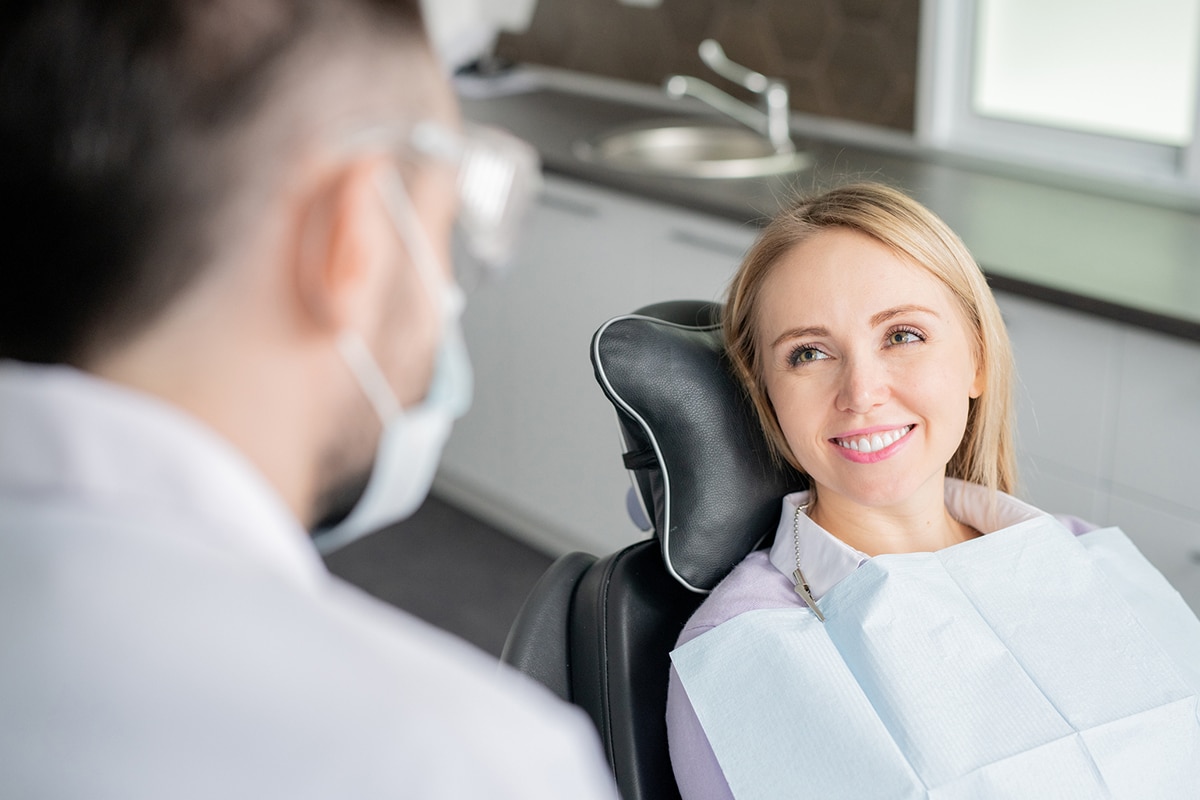
A denture that once felt like a natural part of your smile can start to feel different over time, and you may find yourself wondering whether something has changed. You are right to pay attention because the way your dentures fit affects your comfort, your confidence, and how easily you move through your day. We want you to feel at ease with your smile, so let's walk through what a shifting fit really means and what you can do about it.
Here in Buford, GA, we help neighbors like you recognize the early clues that dentures need a little attention. Below, we cover three of the most common signals to watch for: dentures that loosen or slip, gums that become sore or irritated, and everyday trouble with chewing or speaking. Understanding these signs early puts you in a stronger position because small adjustments now often prevent bigger frustrations later.
Loose or Slipping Dentures
For some, the first hint of a fit problem is a denture that no longer stays put the way it used to. You might feel it drop slightly when you smile, hear a faint click during conversation, or reach for adhesive more often than before. These moments are worth noticing because your mouth naturally reshapes itself over the years. After tooth loss, especially, the underlying bone and gum tissue gradually shrink, and a denture built for your earlier shape simply cannot grip as it once did.
The good news is that a loose denture rarely means starting over. Rather than relying on layers of adhesive to make it through the day, we can refresh the inner surface so your denture hugs your gums securely again. When you notice more movement than usual, we welcome the chance to examine the fit and recommend the gentlest way to restore that reliable hold you deserve.
Gum Soreness or Irritation
Tender gums, red patches, or small raw spots often tell us that a denture is pressing where it shouldn't. Some soreness can be an expected part of wearing dentures, yet ongoing discomfort usually indicates a fit that has drifted out of alignment. When the shape of your denture no longer matches the shape of your gums, pressure lands unevenly, and that friction wears on the delicate tissue underneath throughout the day.
We never want you to push through pain to wear your smile. During your visit, our team looks closely at both your gums and the contact points along your denture to find exactly where the irritation begins. From there, a careful reshaping or adjustment eases that pressure and returns the smooth, even contact that keeps your gums calm and comfortable. Relief is usually simpler than you might expect, and we are glad to help you find it.
Difficulty Chewing or Speaking
A well-fitting denture should let you enjoy meals and conversations without a second thought. When the fit begins to slip, though, you may catch yourself favoring one side while you eat, steering clear of certain foods, or concentrating harder to shape familiar words. Extra clicking sounds, a slight lisp, or a denture that lifts as you bite down all suggest the support underneath has changed and needs a closer look.
You should feel free to laugh at dinner and speak up in a crowd without hesitation. Much of that ease comes down to reshaping the fit through professional denture relines, which rebuild the snug foundation your denture depends on. Once that stability returns, chewing feels effortless again and your words come out clearly, giving you back the confidence to eat and talk exactly as you please.
Knowing When to Reach Out
Loose dentures, sore gums, and everyday trouble eating or speaking are three honest signals that your fit has shifted, and each one deserves attention before it grows. Left alone, small fit issues tend to compound, so acting early spares you discomfort down the road and helps keep your gums healthy in the meantime. You know your smile better than anyone, and trusting those instincts is often the best first step.
A change in fit seldom means you need an entirely new set of dentures. When you come in, our team takes the time to examine your denture, listen carefully to what you have noticed, and guide you toward the most comfortable solution for your needs. If any of these signs sound familiar, we warmly invite you to reach out so we can help restore a secure, natural-feeling fit and keep you smiling with confidence. Thank you for trusting us with your care.
Frequently Asked Questions About Denture Relines
What is a denture reline?
A reline renews the inner surface of your denture so it matches the current shape of your gums and jaw. Because your mouth naturally changes over time, that fresh contour restores comfort and stability while easing the sore spots an outdated fit can cause. Best of all, a reline improves the denture you already own rather than replacing it entirely.
How often should I have my dentures relined?
Most people benefit from a reline every year or two, though the right timing depends on your oral health and how quickly your gums change. Some notice shifts sooner, and if your denture starts to feel loose, tender, or unsteady before then, it may be time for a fresh fit. We are always happy to check things over whenever something feels off, so you never have to guess.
What types of denture relines do you offer?
We provide soft, hard, and temporary relines to match your comfort and your gums. A soft reline uses a gentle, cushioning material that suits sensitive gums, while a hard reline relies on a sturdier material for lasting, dependable stability. When gums are inflamed or healing, a temporary reline offers short-term relief until a more permanent solution is ready.
Will a reline fix my loose or uncomfortable dentures?
In most cases, yes, because a reline rebuilds the close, secure contact that loose or uncomfortable dentures have lost. Once that snug fit returns, slipping settles down and daily wear feels far more pleasant. If a denture is cracked, badly worn, or beyond repair, we will discuss a replacement and explain every option clearly so you feel confident in your choice.
Do I need a reline or a new set of dentures?
A reline refreshes the fit of the denture you already have, while a replacement creates a brand-new one from scratch. When your denture remains in good shape but the fit has drifted, a reline is usually the simpler, gentler answer. If it has worn down or sustained real damage, we will help you plan for a new custom set built for lasting comfort.
Welcome to Moonglow Denture Specialists, a prosthodontics practice in Buford, GA. We create custom, comfortable dentures and provide relines, repairs, and adjustments so your smile keeps fitting well for the long term. When you are ready for a secure, natural-feeling fit, we invite you to get in touch.