
September 26, 2026
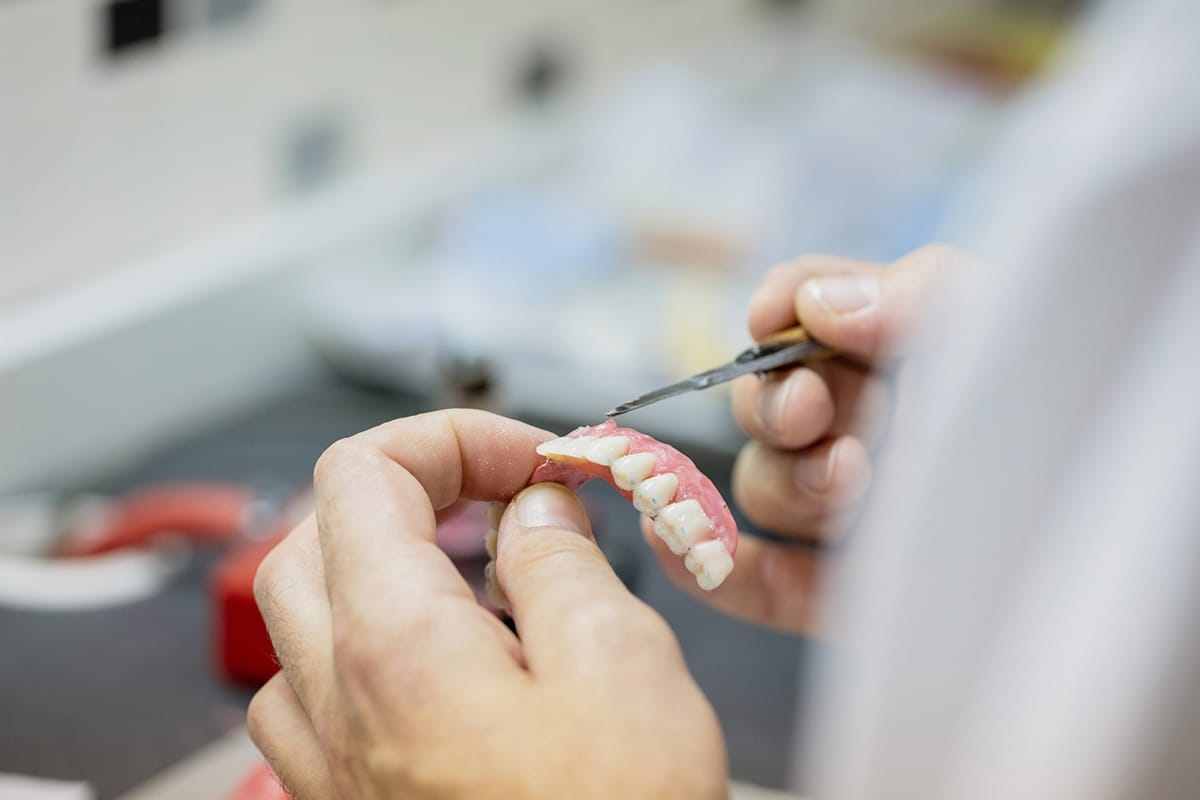
Quick answer: Moonglow Denture Specialists offers three main types of partial dentures: traditional metal-framework partials, acrylic partials, and implant-supported partials. Traditional and acrylic partials stay in place with metal or acrylic clasps that grip nearby natural teeth. Implant-supported partials attach to dental implants for a more secure, stable fit.
Losing several teeth at once changes more than just your smile. It can make certain foods uncomfortable to eat, change the way you speak, and push the teeth you still have out of position. We work with patients in Buford, GA every day who want a clear, comfortable way to move forward — and partial dentures are often the answer. A well-fitted partial denture replaces missing teeth, supports the ones that remain, and restores a natural appearance patients can feel good about.
We want every patient who comes to us to feel informed before choosing a path forward. Knowing your options and understanding how each one works makes the decision much easier. Below, we walk through the three main types of partial dentures we provide at our Buford, GA practice, explain how each one stays in place, and share what makes each design a good fit for certain patients.
Traditional Partial Dentures: How They Are Built and How They Stay Put
A traditional partial denture is built around a metal framework that forms the appliance's core. The framework is thin and lightweight, but strong enough to support the base and the replacement teeth it holds. Small metal clasps extend outward from the framework and wrap snugly around neighboring natural teeth to hold the partial denture firmly in position.
Most patients find traditional partial dentures comfortable enough to wear throughout the day without difficulty. Because the metal framework is slim and custom-fitted, the appliance tends to feel secure rather than bulky. We often recommend traditional partial dentures to patients who want a reliable, long-lasting solution. Healthy natural teeth on either side of the gap make a strong case for this design.
Why Traditional Partial Dentures Work Well for Long-Term Use
Beyond stability, a traditional partial denture distributes bite force evenly across the remaining natural teeth. That even distribution reduces strain on any single tooth and supports better overall oral function. We custom-fit every traditional partial denture to each patient's mouth, so the result feels natural and secure from the start.
Acrylic Partial Dentures: How They Work and Who They Help
An acrylic partial denture uses a gum-colored acrylic base as its foundation rather than a metal framework. Replacement teeth sit directly in the base, which rests on the gum tissue beneath it. Wire or acrylic clasps connect to nearby natural teeth to keep the partial denture in position throughout the day.
Acrylic partial dentures often suit patients who need a more affordable option or who are in a transition period following tooth extraction. After extractions, the gums can change shape as they heal, and an acrylic partial denture gives us the flexibility to adjust the fit as needed. Many patients start with an acrylic partial denture and move toward a longer-term solution once healing is complete.
When an Acrylic Partial Denture Is the Right Fit
We also recommend acrylic partial dentures for patients who need a temporary appliance while planning future treatment. The acrylic base is straightforward to modify, which gives us room to adapt as your care plan develops. We take time with every patient to explain what to expect — including how to care for an acrylic partial denture and when an adjustment or replacement may be needed.
Implant-Supported Partial Dentures: How Implants Anchor Your Smile
Implant-supported partial dentures offer the most stable retention of our three options. Rather than relying on clasps or neighboring teeth for support, these partials attach directly to dental implants placed in the jawbone. The implants need time to heal and fuse with the bone before the partial denture connects, but the result is a fit that feels remarkably solid and secure.
Because the implants serve as the anchor points, implant-supported partial dentures place no added pressure on surrounding natural teeth. Patients who want to protect the teeth they still have often find that benefit especially meaningful. Dental implants also help preserve the jawbone where teeth are missing, which supports facial structure over time.
Why Implant-Supported Partial Dentures Offer the Strongest Hold
We most often recommend implant-supported partial dentures to patients who want the strongest possible hold and qualify for the implant procedure. During a consultation at our Buford, GA office, we assess bone structure, gum health, and overall oral condition to determine whether implants are a sound choice for each patient.
Choosing the Right Partial Denture for Your Smile
Finding the Option That Fits Your Needs
Choosing the right partial denture depends on your current oral health, the condition of your remaining teeth, your timeline, and your personal goals. Each of the three types we offer serves different needs, and no single answer fits every patient.
Patients with healthy natural teeth on both sides of a gap often find that a traditional partial denture gives them the stability and durability they want. An acrylic partial denture may best serve patients between treatments or working within a tighter budget. Patients who want the most secure fit and qualify for dental implants frequently benefit most from an implant-supported option.
Matching Each Patient to the Right Type
We review each patient's oral health, discuss their goals, and walk through the option that best fits their needs. Our team in Buford, GA is here to help you weigh each choice so you feel confident in your decision. No matter which direction you go, we craft every partial denture to fit your mouth and blend naturally with your smile. When you are ready to take the next step, we welcome you to schedule a consultation with us.
Frequently Asked Questions About Partial Dentures
How long do partial dentures last?
With proper care, partial dentures can last for many years. Regular checkups with our team let us spot wear or fit changes early, keeping your partial denture comfortable and functional for as long as possible.
Are partial dentures noticeable when I talk or smile?
We custom-craft every partial denture to match the color, shape, and size of your natural teeth. Most people around you will not be able to tell you are wearing one.
Do partial dentures require special cleaning?
Yes. We recommend removing your partial denture each day and cleaning it with a soft-bristle brush and a non-abrasive denture cleaner. You should still brush and floss your remaining natural teeth as part of your routine.
Can I switch from an acrylic partial denture to an implant-supported one later?
Many patients begin with an acrylic or traditional partial denture and move to an implant-supported option when the time is right. We are happy to map out that path with you during a consultation at our Buford, GA office.
Will my insurance cover partial dentures?
Coverage depends on your individual plan. We encourage you to contact your insurance provider directly before treatment begins to understand your benefits and any out-of-pocket costs.
Moonglow Denture Specialists is a denture practice in Buford, GA, serving patients throughout the surrounding communities with personalized, attentive care. Our team helps patients find comfortable, natural-looking solutions that fit their lives and budgets. If you have questions or are ready to explore your options, contact us.