
June 25, 2026
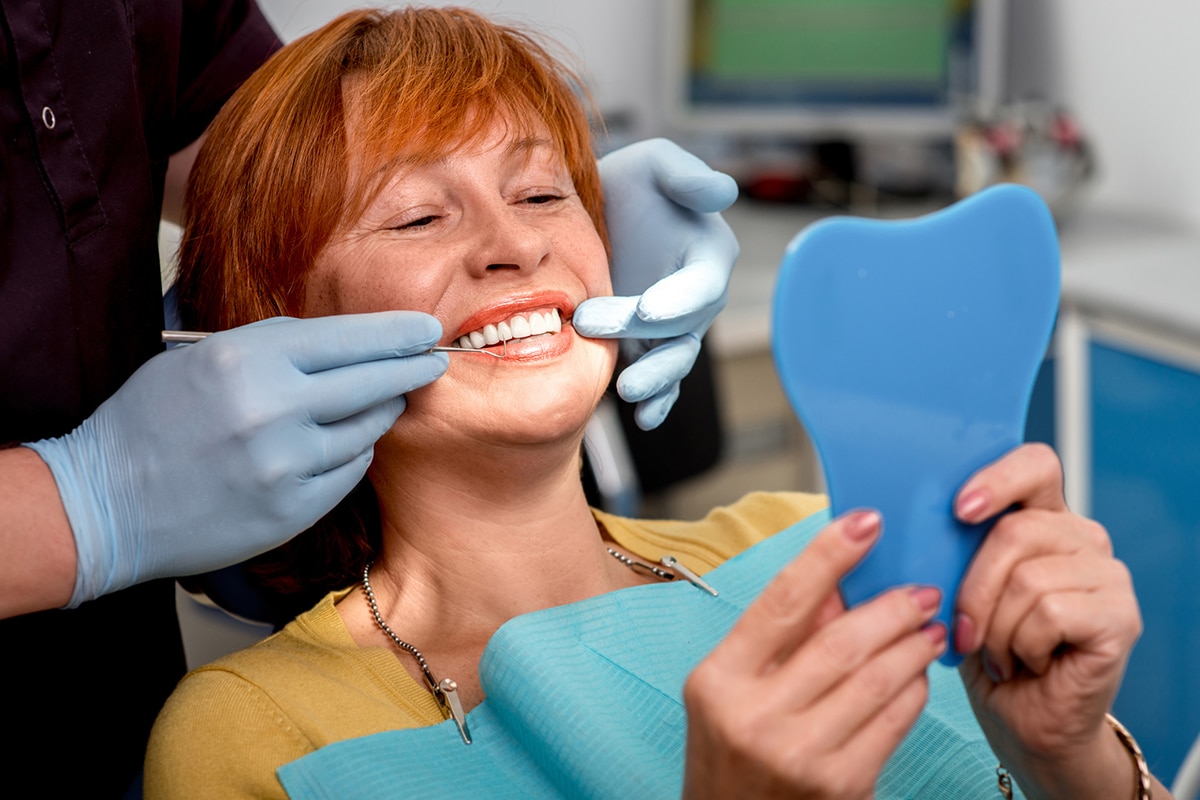
Losing several teeth can feel overwhelming, especially when you worry about going without a smile while you heal. Immediate dentures offer one possible solution, and many people find comfort in knowing they can leave the appointment with a new set of teeth in place. Still, the experience often raises plenty of questions about what actually happens on the day of extraction.
In this guide, we walk you through the basics of immediate dentures, what typically happens on the day of tooth extraction, and what to expect as you heal. We also cover eating, aftercare, and when adjustments commonly come into play. Keep in mind that every patient is different, so your provider will tailor the details to your needs.
What Are Immediate Dentures?
Immediate dentures are removable dentures that your provider places in your mouth on the same day your teeth are removed. Unlike conventional dentures, which you receive only after your gums heal, immediate dentures go in right away — so you never go through a period without teeth.
Your dentist or denturist prepares these dentures in advance, using measurements and impressions taken before your extractions. Some practices refer to them as immediate placement dentures. They can replace some or all of your teeth, depending on your situation. Since your provider makes the dentures before removing your teeth, they rely on careful planning to estimate how your gums and jaw will look afterward.
What Generally Happens on Tooth Extraction Day?
Extraction day usually follows a sequence that your provider explains ahead of time. While the exact steps can vary by patient and practice, the general flow often looks similar from one appointment to the next.
Before the Extractions
Your provider typically reviews your treatment plan and answers any last questions. You may discuss anesthesia options, which often include local numbing to keep you comfortable. In some cases, providers offer additional sedation, though availability depends on the practice and your health history.
During the Appointment
Once your provider numbs the area, they remove the planned teeth. After the extractions, they may smooth any rough bone edges and clean the area. Then they place your immediate dentures over your gums. The dentures act somewhat like a bandage, helping to protect the extraction sites while you heal.
After Placement
Before you leave, your provider gives you instructions for the first day and the days that follow. You generally keep the dentures in for an initial period — often the first 24 hours — to help manage swelling. Your provider will tell you exactly when and how to remove them, since guidance can differ from one case to another.
Fit and Healing Expectations
Healing takes time, and your mouth changes as it recovers. Understanding this process helps you set realistic expectations and feel more prepared.
Why the Fit Changes
After extractions, your gums and the bone underneath gradually shrink as they heal. Because your provider makes immediate dentures before the shrinkage occurs, the fit often loosens over the following weeks and months. A loose fit is a normal part of the process, not a sign that something went wrong.
A Realistic Timeline
Gum tissue commonly completes its initial healing within several weeks, while the bone may continue to settle for several months. The exact timeline varies from person to person and depends on factors like the number of extractions and your overall health. Your provider monitors your progress and lets you know what to expect at each stage.
Managing Comfort
Soreness, swelling, and minor bleeding can occur after extractions. Your provider may suggest gentle care steps, such as cold compresses or saltwater rinses, and will advise you on over-the-counter or prescribed options. Always follow the specific instructions your provider gives you, since recommendations depend on your individual case.
Eating, Aftercare, and Daily Adjustments
The early weeks call for patience and a few new habits. Small changes to how you eat and care for your dentures can make the healing period more comfortable.
Eating in the Early Days
Soft foods usually work best at first. Many people start with items like yogurt, mashed potatoes, soups that aren't too hot, and other easy-to-chew choices. Over time, and with your provider's guidance, you can gradually reintroduce firmer foods. Chewing on both sides of your mouth may help keep your dentures stable.
Caring for Your Dentures and Mouth
Good daily care supports healing and keeps your dentures in better condition. General habits often include:
- Cleaning your dentures as your provider directs, typically with a soft brush and a non-abrasive cleaner
- Removing and rinsing your dentures when your provider advises
- Keeping your gums and any remaining teeth clean
- Storing your dentures properly when you take them out
Your provider will give you cleaning and wear instructions tailored to your situation, so follow those closely.
Knowing When to Call Your Provider
Reach out to your provider if you notice persistent pain, significant bleeding, signs of infection, or sore spots that don't improve. Prompt communication helps your provider address problems early. When in doubt, always ask.
Keeping Your Smile on Track
Adjustments are an expected part of life with immediate dentures. Because your gums and bone change as they heal, your dentures often need refitting over time to stay comfortable and secure.
Common Reasons for Adjustments
As the fit loosens, your provider may recommend a temporary reline to improve comfort. Relines add material to the inner surface of the denture so it fits your changing gums more closely. Some patients need more than one reline during the healing period.
Looking Ahead
After your mouth heals and settles, many people move on to a more permanent solution. Your options may include a final reline of your existing denture or a new conventional denture fabricated by your provider to fit your healed gums. Your provider will discuss which path suits you best, since the right choice depends on your healing and personal preferences. Planning follow-up visits helps keep your smile feeling and functioning well.
Frequently Asked Questions About Immediate Placement Dentures
How long can I wear immediate dentures before removing them?
Many providers ask you to keep them in for an initial period — often the first 24 hours — to help control swelling. Your provider will give you specific instructions, since the exact timing can vary by case.
Will immediate dentures fit perfectly right away?
Your provider designs them to fit at placement, but the fit often loosens as your gums and bone heal and shrink. Your provider will commonly recommend adjustments or relines during the healing process.
Are immediate dentures a permanent solution?
Many providers consider them a transitional option during healing. After your mouth settles, your provider may suggest a reline or a new conventional denture, depending on your situation.
What foods can I eat after getting immediate dentures?
Soft foods usually work best in the early days. You can gradually return to firmer foods as you heal, following your provider's guidance.
How soon will I need an adjustment?
Timing varies by patient, but many people need a reline or adjustment within the first several weeks or months as their gums change. Your provider will monitor your fit and let you know.
We are Moonglow Denture Specialists, a denture practice that helps people facing tooth loss find comfortable, natural-looking solutions. We serve patients seeking immediate, conventional, and custom denture options with personalized care. To learn more or schedule a visit, get in touch with us.