
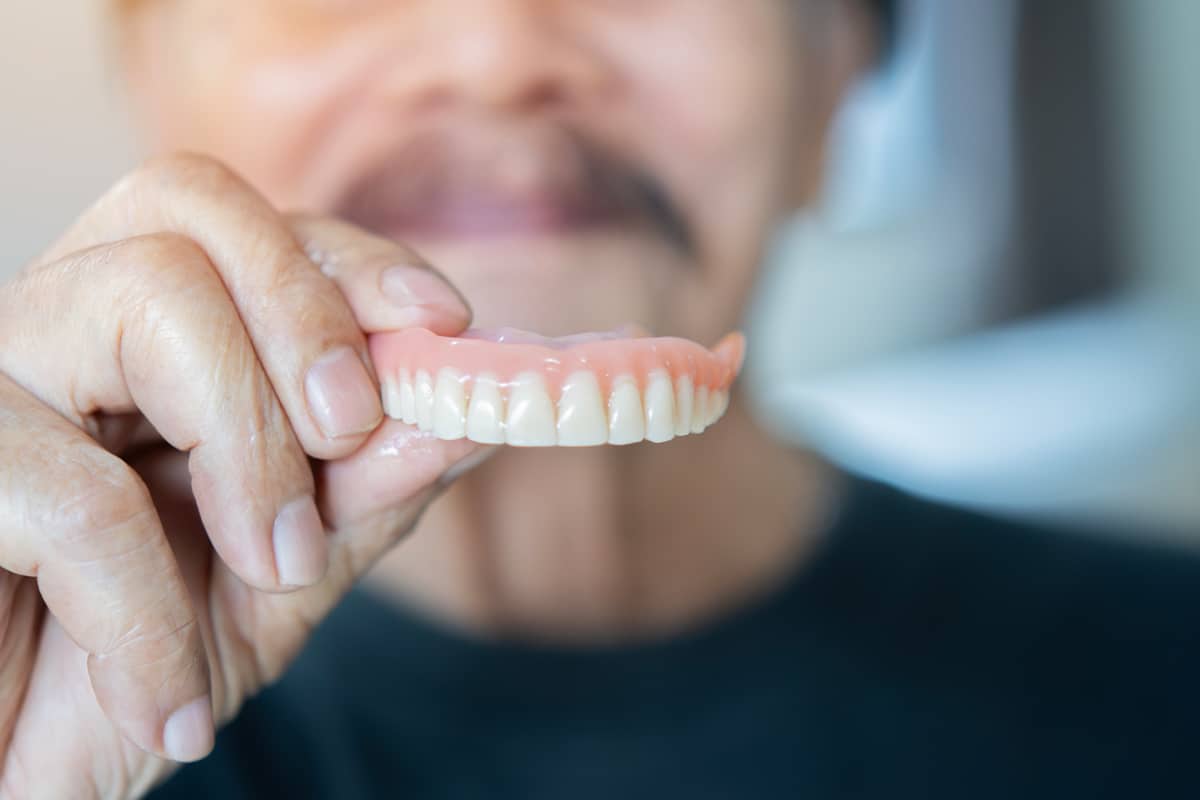
Over time, you might notice your dentures no longer fit as snugly as before. You might experience discomfort, irritation, or difficulty eating or speaking as your jawbone and gums change shape after tooth loss. A straightforward procedure can restore a secure fit and boost your confidence. The solution is professional denture relines.
When we reline your dentures, we use two primary methods to resurface the part that rests against your gums: a soft reline and a hard reline. Each process serves a specific purpose and uses different materials to achieve a comfortable, functional fit. Understanding the key differences between these options helps you make an informed decision about your oral health. We will explore both soft and hard relines to help you decide which is the best solution for your needs.
What Is a Hard Denture Reline?
A hard denture reline provides the standard and most durable method for refitting your dentures. When we perform a hard reline, we remove a layer of the existing plastic from the inside surface of your denture. We then place a putty-like material inside the denture and put it in your mouth, where it captures a precise impression of your current gum shape. Once the impression sets, we use it as a mold to add new hard acrylic to the denture, perfectly contouring it to your mouth. The new acrylic matches the denture base and creates a strong, long-lasting bond.
We recommend a hard reline every two to three years for most people who wear dentures. This frequency accounts for gradual changes in your jaw and keeps your dentures stable and functional. The main advantage of a hard reline is its longevity. The new, nonporous acrylic surface is easy to clean and less likely to harbor bacteria or odors. A well-made hard reline can make your dentures feel like new again, providing a firm fit that allows you to eat, speak, and smile with confidence.
The Hard Reline Process
The hard reline process requires attention to detail. After taking an impression inside your denture, we bring it to our in-house lab, where our technicians carefully replace the impression material with matching high-impact acrylic. This process is typically done overnight. The result is a solid piece that feels like an integrated part of your original denture. This strong bond keeps the relined surface from peeling or separating over time.
Who Is a Good Candidate for a Hard Reline?
Most people who wear dentures qualify for a hard reline. If your dentures remain in good condition but feel loose due to natural bone resorption, a hard reline is usually the ideal solution. It tightens the fit and restores stability. People with healthy gum tissues who do not experience significant soreness or tenderness respond best to this procedure. It provides a robust, long-term fix that maximizes your dentures' lifespan and performance.
What Is a Soft Denture Reline?
A soft denture reline uses a pliable, cushioned material to resurface the inside of your denture. This option provides a gentler alternative for those who find the hard acrylic of a hard reline uncomfortable. The soft material acts as a shock absorber between the hard denture base and your sensitive gums. It distributes chewing pressure more evenly and reduces the risk of sore spots.
We often recommend soft relines for patients with tender gums, significant bone loss that creates sharp or bony ridges, or for people new to dentures. The soft liner can provide immediate relief from discomfort and make the adjustment period easier. While a soft reline offers better comfort, the material is more porous and less durable than hard acrylic. It needs more gentle cleaning and typically requires replacement more often—usually every 1 to 2 years—to maintain its cushioning and hygiene.
The Soft Reline Process
The soft reline process starts much like a hard reline. We prepare your denture and apply a liquid polymer that molds to your gums. Unlike a hard reline, which becomes rigid, the soft liner stays pliable and slightly flexible once set. We often can complete this process quickly, so you receive comfort and an improved fit right away.
Who Is a Good Candidate for a Soft Reline?
A soft reline works especially well in certain cases. We may suggest a soft reline after tooth extractions, when your gums are still healing and changing fast. It is a strong choice for long-term denture wearers with very flat or sensitive gum ridges who cannot tolerate the pressure of a hard denture base. If you experience constant soreness or struggle to adjust to your dentures, a soft liner can improve daily comfort and wear.
Making the Right Choice for Your Dentures
Choosing between a soft and a hard denture reline depends on your situation. Your oral health, gum condition, personal comfort, and long-term goals all matter. We always consider these factors and recommend a solution tailored just for you.
A hard reline provides the most durable, hygienic, and long-lasting fix for loose dentures. We consider it the standard for most people because it provides a stable, secure fit that withstands daily use. However, comfort matters most. If a hard surface causes pain or persistent irritation, a soft reline can bring relief and comfort, making a big difference for sensitive mouths. We help you weigh the pros and cons of both options, so your dentures fit well and feel great.
Regain Your Comfort and Confidence
Loose dentures can affect your entire quality of life. Both soft and hard relines provide ways to address the problem. A proper fit restores function, stops pain, and lets you enjoy life again. We focus on helping you find the perfect solution so you can eat, speak, and smile with ease and confidence.
Frequently Asked Questions About Denture Relines
Can a reline fix a broken denture?
A reline refits the surface of the denture that touches your gums. It does not repair cracks or broken teeth. If your denture is cracked, broken, or has a fractured tooth, you need a separate repair procedure. We can often repair damage and perform a reline during the same visit, if needed.
How do I care for a relined denture?
Care for a hard-relined denture the same way you care for a new denture. Brush daily with a soft denture brush and a nonabrasive cleaner, and soak it overnight. A soft reline needs gentler care. Clean it with a very soft brush and avoid harsh chemicals or abrasive pastes, because these can damage the pliable liner. We give you instructions based on your specific reline.
At Moonglow Denture Specialists, we craft and maintain dentures that give you a reason to smile. We proudly serve our community with personalized care to ensure your dentures look natural and feel comfortable. To learn more about our services, get in touch with us.